
Gold ETFs delivered strong double-digit returns while equity funds struggled through a volatile FY26. The comparison is real — but the takeaway is not what most investors think.
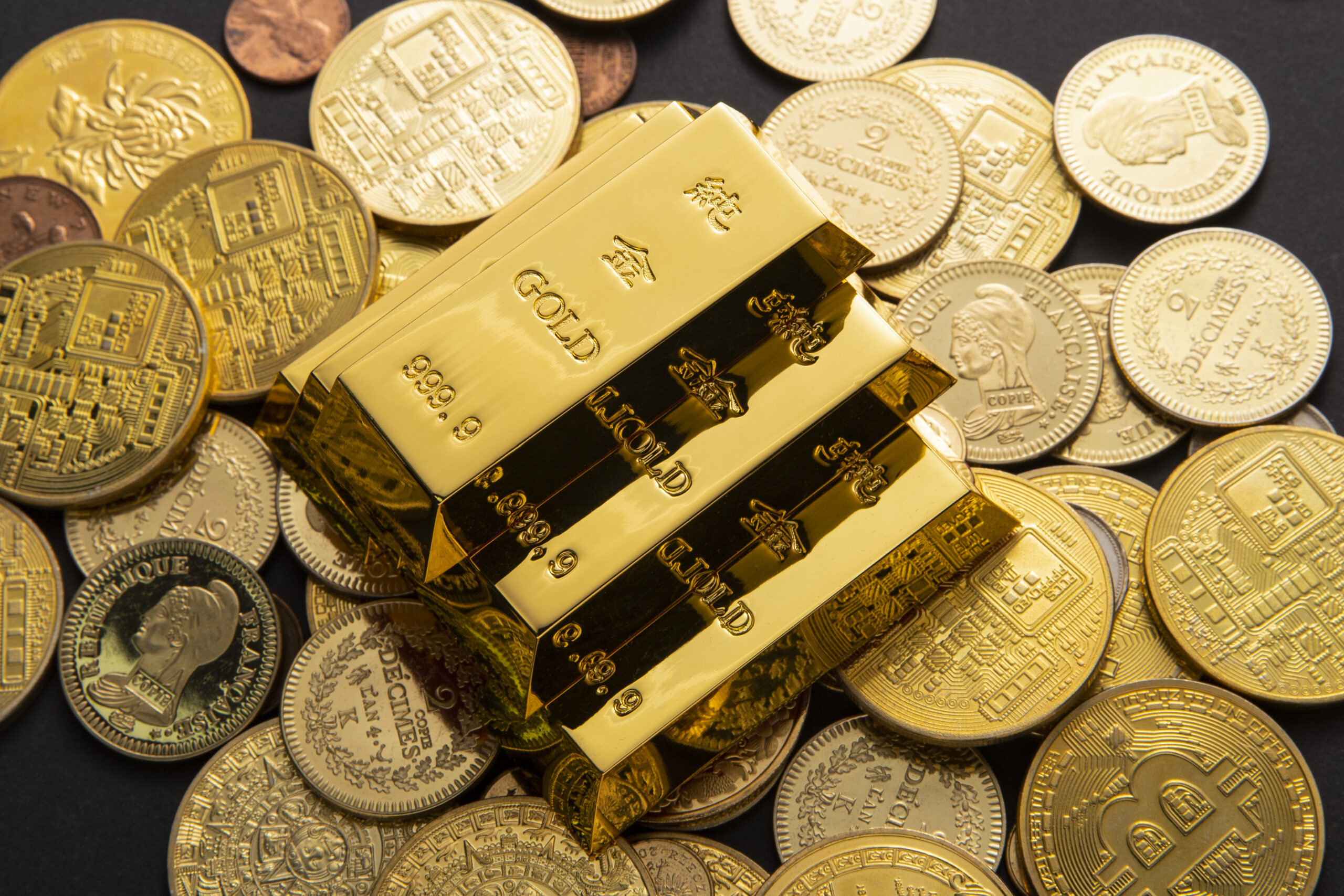
For most of the past decade, the standard advice in Indian personal finance conversations has been to keep gold as a modest, boring diversifier and let equity mutual funds do the heavy lifting. FY26 has upended that framing. With MCX gold approaching Rs 1.5 lakh per 10 grams and equity indices delivering only modest gains after a punishing correction earlier in the year, gold ETFs have quietly emerged as one of the best-performing fund categories of the year.
The numbers tell a stark story. Gold ETFs delivered category-average returns comfortably in the high teens to low twenties over the trailing twelve months. Equity funds, by contrast, produced a wide dispersion — large-cap category averages in low single digits, flexi-cap slightly higher, and mid- and small-cap categories delivering mid-single-digit returns after a sharp mid-year drawdown. Only a handful of thematic funds, largely defence and precious-metal-linked schemes, kept pace with gold.
What Drove the Divergence
Three forces powered gold. First, sustained geopolitical tension — West Asia, US-Iran flare-ups, and shifting trade equations — pushed central banks and sovereign funds to increase gold allocations. Second, a weaker rupee amplified rupee-denominated gold returns for Indian investors. Third, US real yields moderated, historically a tailwind for the metal. Gold ETF AUM in India rose sharply through the year, and April 2026 alone saw net inflows of over Rs 3,000 crore into the category.
Equity funds, meanwhile, spent the year navigating a difficult tape. FPI outflows persisted, mid- and small-cap valuations corrected sharply, and Q3 earnings for FY26 came in below street expectations. Even after the April rebound, the average equity fund investor ended the year with returns significantly below the running long-term average of the category.
The Portfolio Rebalancing Question
Behavioural finance suggests that after a year like this, retail money tends to chase the winner. That pattern has already begun. Gold ETF folios grew meaningfully, and physical-gold-backed products and sovereign gold bond secondary market activity has been robust. Analysts tracking flow data note that first-time gold ETF investors formed a notable share of April inflows.
The historical record complicates the story. Gold’s stellar years have often been followed by long stretches of flat returns. Between 2013 and 2018, gold delivered essentially nothing in rupee terms while equity funds compounded aggressively. Whether FY27 rewards the current gold enthusiasm depends heavily on the trajectory of the US dollar, real yields, and geopolitical risk premiums.
Reading the Signals
- FY26 has validated gold’s role as a portfolio diversifier and shock absorber.
- One year of outperformance does not rewrite the long-term hierarchy between equity and gold.
- Investors adding gold now are entering after a sharp rally; entry timing matters more than category selection at this point.
- Multi-asset funds, which blend equity, debt, and gold, saw meaningfully higher inflows through FY26, suggesting some investors are outsourcing the allocation call.
- The classic 5 to 10 per cent gold allocation looks vindicated. Higher allocations remain a tactical bet, not a diversification argument.
Gold’s year in the sun is a reminder of why asset allocation exists in the first place. What FY26 rewarded was not gold or equity, but the discipline to hold both. For investors who kept their allocations intact through the volatility, the portfolio-level return is likely to look meaningfully better than either category on its own.
