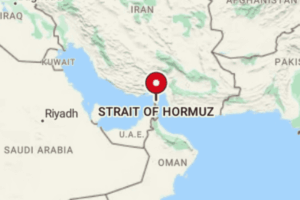


With both sides dug in and Gulf infrastructure taking daily hits, investors should brace for a prolonged period of oil volatility — and everything that comes with it. If the attacks on energy infrastructure continue, oil prices may have further to run than most are prepared for.
Brent crude closed Friday at $92.69 a barrel and WTI at $90.90, capping the biggest weekly gain in the history of oil futures trading. A month ago, most banks had pencilled in $58 Brent for the full year. Today, the Strait of Hormuz has effectively stopped moving oil. Qatar’s LNG facility is offline after a drone strike. Iraq has lost roughly 1.5 million barrels per day of output. Kuwait’s storage tanks are full with no tankers available to collect. Dubai’s airport was struck and evacuated. The Gulf, which global energy markets have long treated as a reliable and predictable supplier, is neither of those things right now.
Middle East crises follow a familiar pattern in financial markets. Oil spikes, equities sell off, a ceasefire or back-channel deal materialises within weeks, and markets recover. Investors who stay calm are generally rewarded.
That pattern rests on one assumption: that both sides eventually want a way out. There is little evidence of that today. Washington has demanded unconditional surrender from Iran. Tehran is still firing at tankers, refineries and airports across the Gulf. Israel has shown no intention of standing down. There are no ceasefire talks on the table. Each party has publicly staked out positions that make backing down politically costly, which is the kind of dynamic that turns short conflicts into long ones.
For energy markets, duration is everything. A two-week disruption is absorbed. A two-month one rewrites supply forecasts. Every additional week of fighting is another week in which Gulf pipelines, refineries and export terminals absorb damage that takes months, sometimes years, to repair.
What makes the current situation particularly concerning is that the sustained targeting of oil infrastructure across the Gulf — refineries, ports, LNG terminals — has considerably extended the runway for oil prices to increase. Each new strike not only disrupts supply today, it also increases the time taken to restore the facility tomorrow. At some point the market stops treating the disruption as temporary and begins pricing the supply picture as structurally changed.
The India Bill
India imports nearly 88% of its crude, and the Middle East supplies the majority of that. When oil moves from $67 to $93 in eight days, the consequences are immediate and concrete. Every $10 rise in crude adds roughly $13–14 billion to India’s annual import bill, widens the current account deficit, puts pressure on the rupee and feeds into the cost of transport, food and manufactured goods across the economy.
The equity markets have registered this sharply. The Sensex lost nearly Rs 8 lakh crore of investor wealth in a single morning on 2 March and closed the week at 78,918 — its worst weekly performance in six years. The Nifty 50 ended at 24,450. Stocks across the board are hurtling down.
As things stand, with no ceasefire in sight and the conflict showing no sign of losing momentum, equity markets are unlikely to stage any sustained recovery in the near term. Investors holding stocks may have to sit with some pain for a while. There will be pullbacks — markets always produce them — but in the current environment each recovery is likely to attract fresh selling, driven by the next development from the Gulf.
The Gulf crisis has introduced a layer of uncertainty that markets cannot price away until the underlying conflict changes course. That means a ceasefire, a negotiated pause, or at minimum some credible signal that the attacks on energy infrastructure are going to stop. Until one of those things happens, the uncomfortable truth is that this oil shock is not going anywhere — and neither is the pressure on Indian portfolios.